Home›Court Dimensions
Basic Court Dimensions
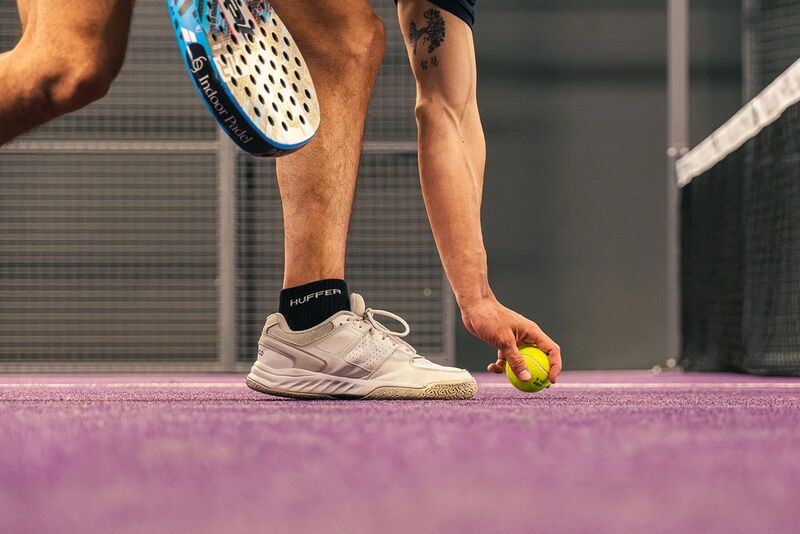
A regulation padel court is rectangular and enclosed, measuring exactly 20 metres long by 10 metres wide. These dimensions are standardized worldwide by the International Padel Federation.
Overall Court Measurements
- Length: 20 metres (65.6 feet)
- Width: 10 metres (32.8 feet)
- Total playing area: 200 square metres
- Tolerance: ±0.5% allowed in official measurements
Court Zone Breakdown
- Each half court: 10m × 10m (100 square metres)
- Service boxes: 5m × 5m (25 square metres each)
- Back court area: 5m × 10m behind service line on each side
- Net zone: 0.88m high net runs the full 10m width
Comparison to Other Court Sports
- Tennis court: 23.77m × 10.97m (78% the size of tennis)
- Badminton court: 13.4m × 6.1m (padel is 2.4x larger)
- Squash court: 9.75m × 6.4m (padel is 3.2x larger)
- Basketball half court: 14m × 15m (padel is slightly smaller)
Space efficiency: Padel courts fit in roughly one-third the space of a tennis court, making them ideal for urban locations with limited space.
Wall Specifications
Back Wall Dimensions
The back walls are the most important structural element of a padel court:
- Height: 4 metres total (13.1 feet)
- Glass section: 3 metres high (9.8 feet)
- Mesh section: 1 metre high above the glass (3.3 feet)
- Width: Full 10 metres width of the court
Side Wall Layout
Side walls have a more complex structure with varying heights:
- Back section (4m from back wall): 3m glass + 1m mesh = 4m total
- Middle section (next 2m): 2m glass + 1m mesh = 3m total
- Front section (final 4m): 3m mesh only
- Entry gaps: 0.82m to 1.05m wide opening on each side
Wall Construction Materials
- Glass: Minimum 10mm tempered safety glass
- Mesh: Galvanized steel mesh with 5cm × 5cm squares
- Posts: Galvanized steel posts every 1.5-3 metres
- Foundation: Concrete foundation extending below ground
Safety Requirements
- Glass quality: Must meet safety glass standards
- Post protection: Posts covered with protective padding where accessible
- Edge protection: Smooth edges on all mesh and glass sections
- Structural integrity: Walls must withstand ball impact and player contact
Construction note: Wall installation requires specialized expertise. Glass panels must be perfectly aligned and mesh tension properly calibrated for consistent ball bounce.
Net and Post Specifications
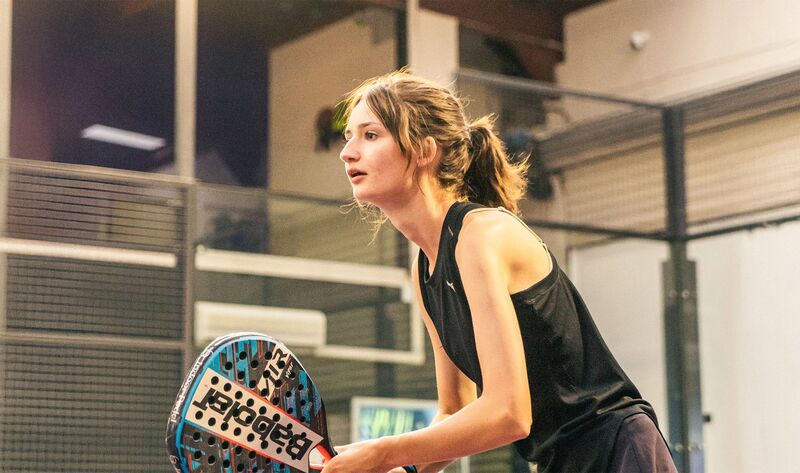
Net Dimensions
- Height at posts: 0.88 metres (2.89 feet)
- Height at center: 0.88 metres (no sag allowed)
- Width: 10 metres (full court width)
- Net depth: Minimum 0.88 metres from post to post
Net Construction
- Material: Dark colored mesh (black or dark green)
- Mesh size: Square holes not exceeding 50mm × 50mm
- Top band: White band 5-6.3cm wide along the top
- Bottom band: White band 5-6.3cm wide along the bottom
- Tension: Uniformly tensioned to prevent sagging
Net Posts
- Height: 1.05 metres total height
- Position: Located 0.88m outside each sideline
- Material: Metal posts with protective padding
- Base: Firmly anchored to prevent movement
Comparison to Tennis
- Tennis net height: 1.07m at posts, 0.914m at center
- Padel advantage: Consistent height makes net play more predictable
- Post position: Padel posts are closer to the court (0.88m vs 0.914m)
Court Lines and Markings
Service Lines
- Service line position: 6.95 metres from the net on each side
- Distance from back wall: 3.05 metres
- Center service line: Runs from net to service line, dividing court in half
- Service box depth: 6.95 metres from net to service line
Line Specifications
- Line width: 5cm (2 inches) for all court lines
- Line color: White or yellow for high visibility
- Line material: Painted lines or adhesive tape approved for court surfaces
- Baseline: Lines at the back of the court against the back wall
Court Zones Created by Lines
- Right service box: 5m × 6.95m
- Left service box: 5m × 6.95m
- Back court left: 5m × 3.05m
- Back court right: 5m × 3.05m
Additional Court Markings
- Center mark: Small mark at the center of each baseline
- Hash marks: Optional marks at 1.5m intervals along sidelines
- Manufacturer logos: Allowed in designated areas
- Court number: Often displayed on back walls
Line maintenance: Court lines experience heavy wear from play and weather. Regular repainting or replacement ensures proper visibility and accurate play.
Surface Materials and Construction
Playing Surface Options
- Artificial grass: Most common, provides good grip and ball bounce
- Concrete with sand finish: Durable but harder on joints
- Acrylic surface: Similar to tennis courts, less common in padel
- Synthetic turf: Higher-end artificial grass with better playability
Artificial Grass Specifications
- Pile height: 10-15mm for optimal ball bounce
- Fiber material: Polyethylene or polypropylene
- Infill: Silica sand for stability and performance
- Drainage: Perforated backing for water drainage
- UV resistance: Must withstand outdoor weather conditions
Foundation and Base
- Sub-base: Compacted crushed stone foundation
- Base layer: Fine aggregate for leveling
- Slope: 1% gradient for drainage (away from center)
- Moisture barrier: Prevents ground moisture affecting surface
Performance Characteristics
- Ball bounce: Consistent, slightly slower than hard courts
- Player grip: Good traction for movement and safety
- Joint impact: Softer than concrete, easier on players
- Maintenance: Requires regular cleaning and infill top-up
Lighting and Additional Standards
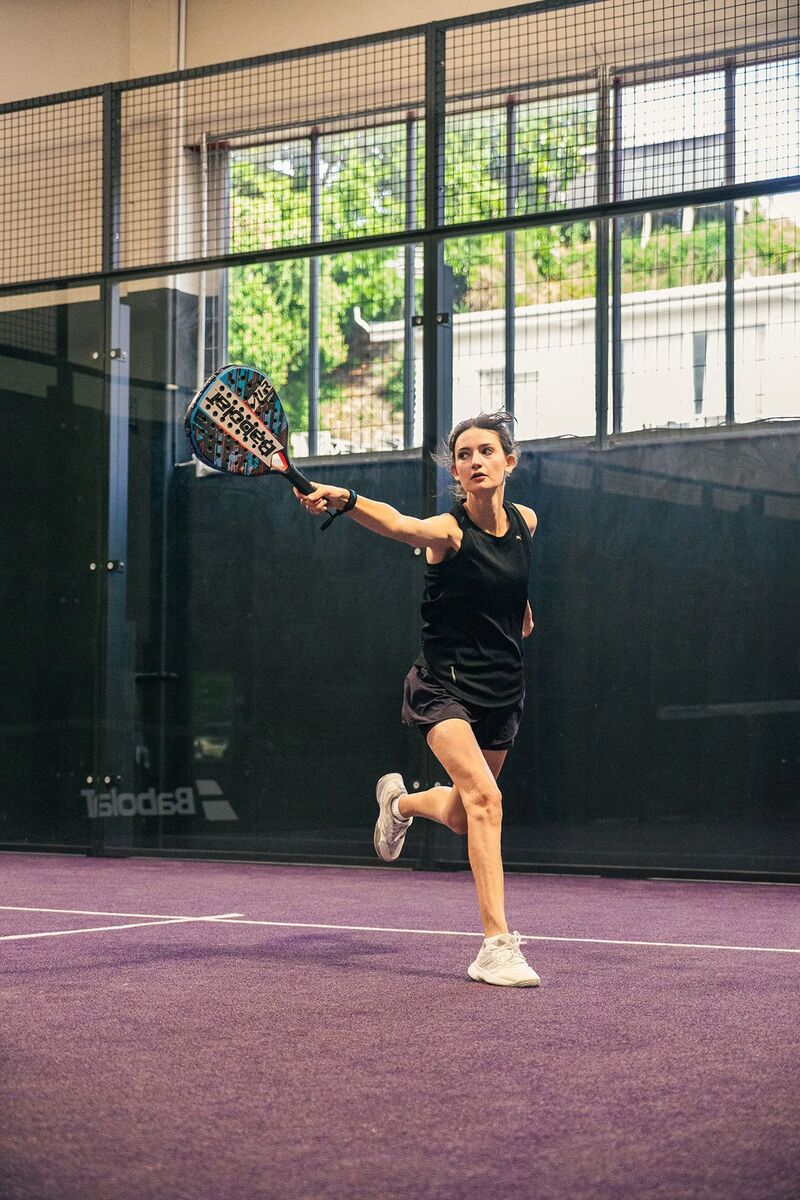
Lighting Requirements
- Minimum illumination: 200 lux average on court surface
- Professional level: 500 lux for competitive play
- Uniformity ratio: Maximum 2:1 variation across the court
- Glare control: Lighting positioned to minimize player glare
Light Positioning
- Height: Minimum 6 metres above court surface
- Placement: Outside the court structure to avoid ball contact
- Angle: 25-30 degrees from vertical to minimize shadows
- Color temperature: 4000-6000K for optimal visibility
Surrounding Area Requirements
- Clear height: Minimum 6 metres above court for ball clearance
- Side clearance: 2 metres minimum on each side for safety
- Back clearance: 3 metres behind each back wall for construction access
- Access paths: Clear pathways to court entrances
Environmental Considerations
- Wind protection: Windbreaks for outdoor courts in exposed locations
- Drainage: Proper surface and subsurface drainage systems
- Temperature: Surface materials suitable for local climate
- Noise control: Sound barriers if required by local regulations
Future planning: When building new courts, consider space for spectator seating, equipment storage, and potential expansion. Good planning prevents costly modifications later.
Official rules | Equipment guide | Getting started
Last reviewed: March 2026