Home›Fitness
Physical Demands of Padel
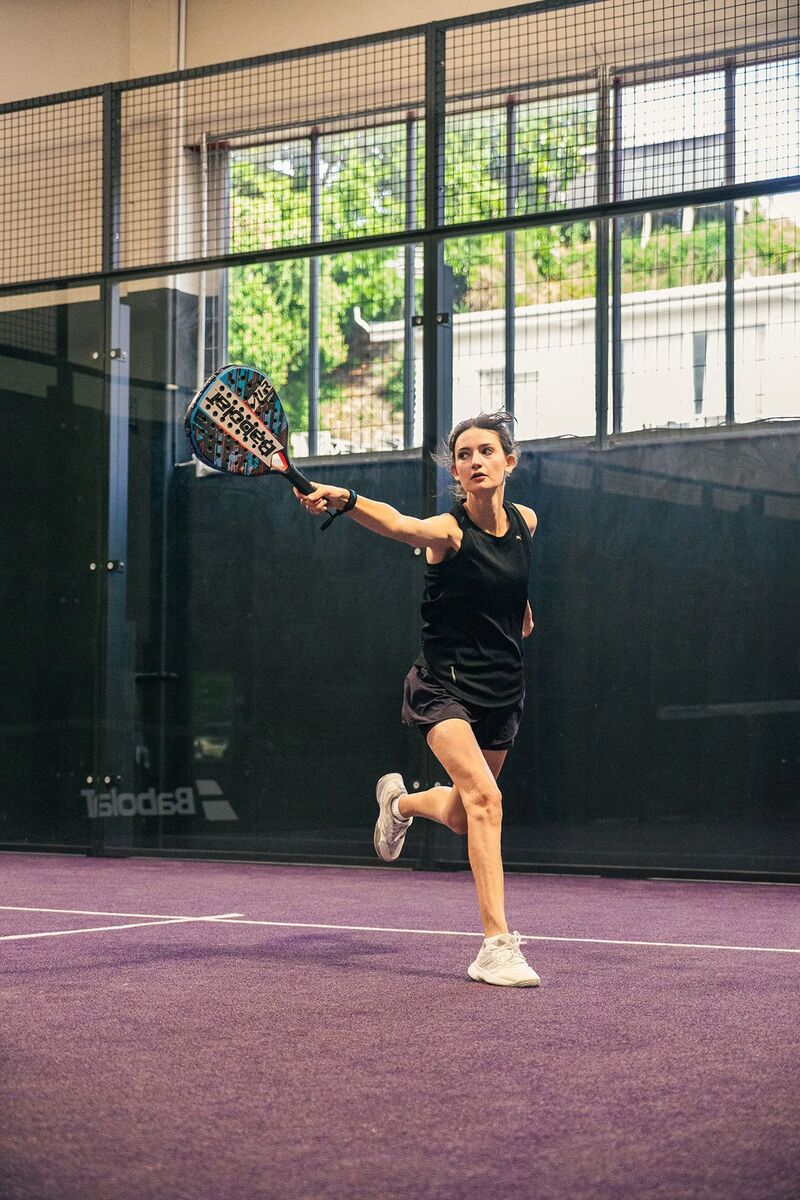
Padel is an explosive, intermittent sport that combines short bursts of high-intensity movement with brief recovery periods. While less running than tennis, padel demands unique physical attributes.
Movement Patterns
- Lateral movement: Constant side-to-side shuffling and sliding
- Quick direction changes: Explosive starts and stops in all directions
- Low positioning: Frequent low body positions for ground balls
- Overhead reaches: Jumping and stretching for high balls
- Wall play positioning: Quick repositioning after ball hits walls
Energy System Requirements
Padel primarily uses anaerobic energy systems:
- ATP-PC system: 3-10 second explosive movements
- Glycolytic system: 30 second to 2 minute high-intensity rallies
- Aerobic base: Recovery between points and games
- Mixed demands: Points range from 5 seconds to 30+ seconds
Muscle Group Usage
- Legs: Power for movement, jumping, and shot stability
- Core: Rotation, balance, and power transfer
- Shoulders: Overhead shots and repetitive swinging
- Forearms: Grip strength and racket control
- Back: Posture maintenance and rotational power
Comparison to other sports: Padel is more explosive than tennis but less running. More aerobic than squash but with similar direction changes. Think handball or basketball for movement patterns.
Conditioning Requirements
Cardiovascular Fitness
While not primarily aerobic, padel still requires good cardiovascular conditioning:
- VO2 max: Important for recovery between rallies
- Anaerobic threshold: Ability to clear lactate between points
- Heart rate recovery: Quick return to baseline between games
- Match endurance: Maintaining intensity for 60-90 minutes
Power and Explosiveness
- First step quickness: Reaction to opponent's shots
- Jumping ability: Vertical reach for overhead shots
- Lateral power: Side-to-side explosive movement
- Rotational power: Core power for shots and quick turns
Flexibility and Mobility
- Shoulder mobility: Full range overhead and behind body
- Hip flexibility: Low stance and wide reaching movements
- Ankle mobility: Direction changes and low positions
- Spinal rotation: Shot preparation and follow-through
Stability and Balance
- Dynamic balance: Stability while moving and hitting
- Proprioception: Body awareness during complex movements
- Single-leg stability: Balance during reaching shots
- Core stability: Maintaining posture under load
Specific Training Exercises
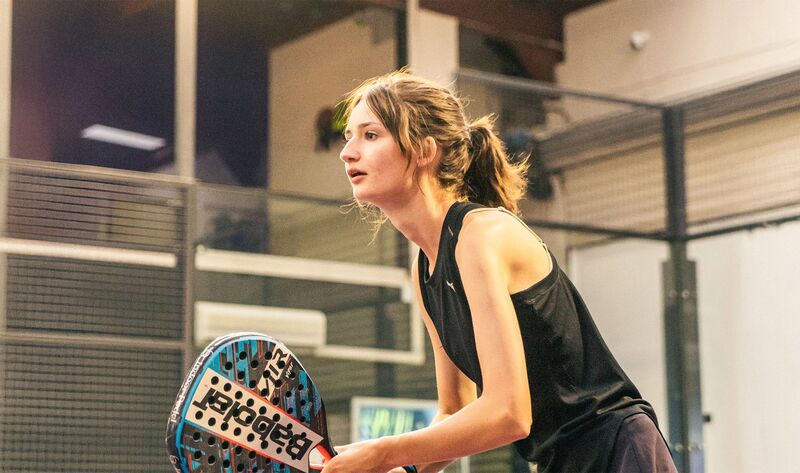
Court Movement Drills
- Ladder drills: Quick feet and coordination patterns
- Cone shuffles: Lateral movement with direction changes
- Shadow padel: Movement patterns without a ball
- Spider drill: Multi-directional movement from center point
Power Development
- Medicine ball throws: Rotational and overhead power
- Plyometric jumps: Box jumps and lateral bounds
- Battle ropes: Explosive upper body and core power
- Kettlebell swings: Posterior chain power development
Strength Training
- Squats and lunges: Leg strength and stability
- Single-leg deadlifts: Unilateral strength and balance
- Rotational exercises: Cable rotations and wood chops
- Pull-ups and rows: Posterior chain and grip strength
Flexibility and Mobility Work
- Dynamic warm-up: Movement preparation before play
- Shoulder dislocations: Overhead mobility with band or stick
- Hip circles: Hip mobility in multiple planes
- Thoracic spine rotation: Upper back mobility for shots
Training frequency: 2-3 strength sessions per week, daily mobility work, sport-specific conditioning 2x per week when not playing matches.
Injury Prevention
Common Padel Injuries
- Tennis elbow (lateral epicondylitis): From repetitive racket use
- Ankle sprains: From direction changes and lateral movement
- Shoulder impingement: From overhead shots and wall play
- Lower back strain: From rotational movements and low positions
- Knee issues: From stopping and starting movements
Prevention Strategies
- Proper warm-up: 10-15 minutes dynamic preparation
- Technique focus: Good form reduces injury risk
- Gradual progression: Don't increase playing volume too quickly
- Strength training: Build resilience in vulnerable areas
- Listen to body: Rest when experiencing pain or excessive fatigue
Warm-Up Protocol
- 5 minutes light movement: Jogging or marching in place
- Dynamic stretching: Leg swings, arm circles, torso rotations
- Movement patterns: Lateral shuffles, forward/backward runs
- Racket preparation: Shadow swings and gradual acceleration
- Ball work: Start with gentle hitting, build intensity
Cool-Down Routine
- Light walking: 5 minutes to lower heart rate gradually
- Static stretching: Hold stretches 30 seconds each
- Foam rolling: Self-massage for tight areas
- Hydration: Replace fluids lost during play
Red flags: Sharp pain, swelling, inability to bear weight, or pain that doesn't improve with rest require medical attention. Don't play through serious pain.
Recovery and Regeneration
Between Sessions
- Active recovery: Light walking or swimming on rest days
- Sleep quality: 7-9 hours for optimal recovery
- Hydration: Consistent fluid intake throughout the day
- Stress management: Recovery is impaired by high stress levels
Post-Match Recovery
- Immediate: Cool-down routine and rehydration
- First hour: Protein and carbohydrate intake
- That evening: Light stretching and early bedtime
- Next day: Light movement unless rest day planned
Recovery Techniques
- Ice baths: 10-15 minutes in 50-60°F water after intense sessions
- Compression garments: May help with circulation and recovery
- Massage: Professional or self-massage with tools
- Heat therapy: Sauna or hot bath for relaxation and circulation
Managing Training Load
- Periodization: Vary intensity and volume throughout the week
- Listen to body: Reduce volume if consistently fatigued
- Deload weeks: Reduce training every 3-4 weeks
- Cross-training: Other activities that support padel fitness
Nutrition for Padel Performance
Pre-Game Nutrition
- 3-4 hours before: Complete meal with carbs, protein, minimal fat
- 1-2 hours before: Light snack if needed (banana, toast)
- 30 minutes before: Small amount of easily digested carbs
- Hydration: Start hydrating 2-3 hours before play
During Play Nutrition
- Matches under 60 minutes: Water is usually sufficient
- Longer sessions: Sports drink with electrolytes and carbs
- Hot conditions: Increase fluid intake and add sodium
- Multiple matches: Small snacks between matches
Post-Game Recovery Nutrition
- Within 30 minutes: 3:1 ratio carbohydrates to protein
- Examples: Chocolate milk, banana with peanut butter, recovery drink
- Full meal within 2 hours: Balanced meal with all macronutrients
- Continue hydrating: Replace 150% of fluid lost through sweat
Daily Nutrition Support
- Protein intake: 1.2-1.6g per kg body weight daily
- Carbohydrate periodization: Higher on training/match days
- Healthy fats: Support hormone production and recovery
- Micronutrients: Variety of fruits and vegetables
Individual needs: Nutrition requirements vary based on body size, training load, and environmental conditions. Experiment during training to find what works for you.
Equipment for performance | Professional coaching | Getting started safely
Last reviewed: March 2026