Home›Terminology
Shot Names and Techniques
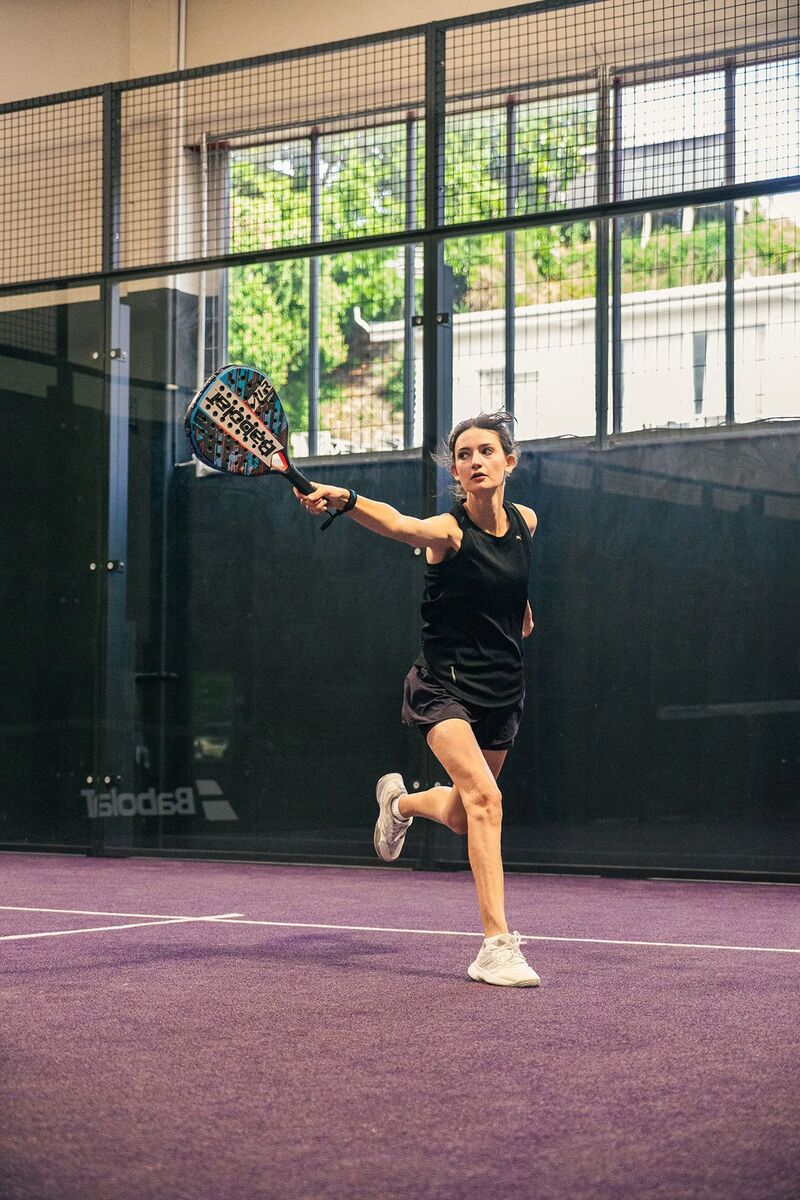
Signature Padel Shots
- Bandeja: Overhead shot hit with slice/backspin, keeping the ball low and difficult to attack
- Vibora: Aggressive overhead shot with heavy topspin and sidespin, designed to bounce high off the opponent's back wall
- Chiquita: Soft, low return shot that barely clears the net, often used against aggressive net players
- Bajada: Defensive shot hit from a low position, usually after the ball has come off the back wall
- Globo: High defensive lob, similar to a tennis lob but adapted for padel's enclosed court
Basic Shots
- Volea (Volley): Hitting the ball before it bounces, typically at the net
- Derecha (Forehand): Shot hit on the dominant hand side
- Reves (Backhand): Shot hit on the non-dominant hand side
- Remate (Smash): Aggressive overhead shot, similar to tennis smash
- Dejada (Drop Shot): Soft shot that lands short in the opponent's court
Wall Shots
- Contra Pared (Wall Shot): Any shot played after the ball has hit a wall
- Doble Pared: Shot that uses two walls (back wall then side wall)
- Salida por Abajo: Shot that goes under the glass and out through the side opening
- Por Tres: Advanced shot that uses three walls in sequence
Pronunciation tip: Most padel terms come from Spanish. "J" sounds like "H" (bajada = bah-HAH-da), "LL" sounds like "Y" (chiquilla = chee-KEY-ya).
Court and Equipment Terms
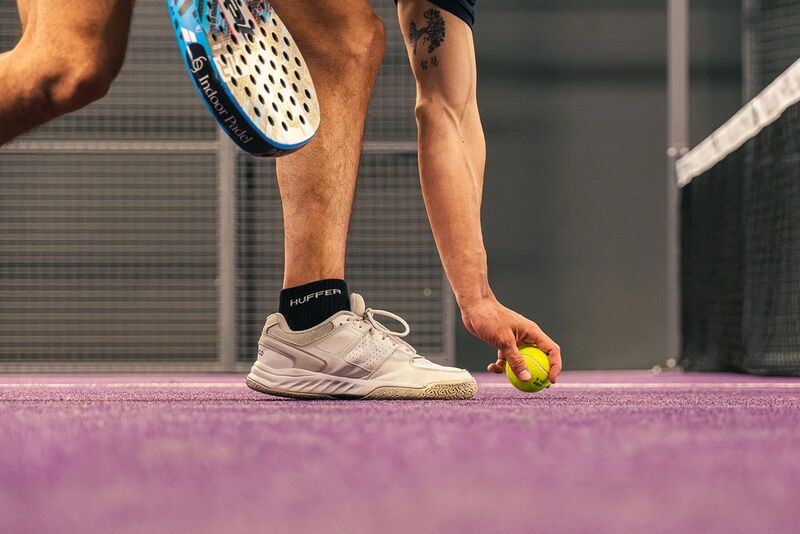
Court Areas
- Pista: The padel court itself
- Cuadro de Servicio (Service Box): The area where serves must land
- Linea de Servicio (Service Line): The line servers must stand behind
- Red (Net): The net dividing the court
- Cristal (Glass): The glass wall sections
- Malla (Mesh): The metal mesh wall sections
Wall Specifications
- Pared de Fondo (Back Wall): The wall behind each baseline
- Pared Lateral (Side Wall): The walls on the sides of the court
- Esquina (Corner): Where back and side walls meet
- Abertura (Opening): The gaps in the side walls for entry/exit
Equipment Terms
- Pala: The padel racket/paddle
- Pelota: The ball (similar to tennis ball but lower pressure)
- Grip: The handle covering
- Marco (Frame): The outer edge of the racket
- Cara (Face): The hitting surface of the racket
- Agujeros (Holes): The holes in the racket face
Court etiquette: Learning proper terminology shows respect for the sport's heritage and helps with communication in international play or when watching professional matches.
Tactical and Strategic Terms
Positioning
- Dominio de Red (Net Control): Controlling the net position to dictate play
- Cambio (Switch): Players changing sides of the court during a point
- Cobertura (Coverage): How well partners cover the court together
- Presion (Pressure): Applying tactical pressure through positioning and shots
Shot Selection
- Punto de Oro (Golden Point): The deciding point when games reach deuce
- Winner: A shot that wins the point outright
- Error No Forzado (Unforced Error): A mistake made without opponent pressure
- Error Forzado (Forced Error): A mistake caused by opponent pressure
Match Situations
- Break: Winning a game when opponents are serving
- Hold: Winning your own service game
- Match Point: A point that could end the match
- Set Point: A point that could end the set
- Game Point: A point that could end the game
Playing Styles
- Agresivo (Aggressive): Attack-minded playing style
- Defensivo (Defensive): Patient, error-minimizing style
- Contador (Counter-attacker): Style that turns defense into attack
- Especialista en Red (Net Specialist): Player who excels at net play
Equipment and Racket Terms
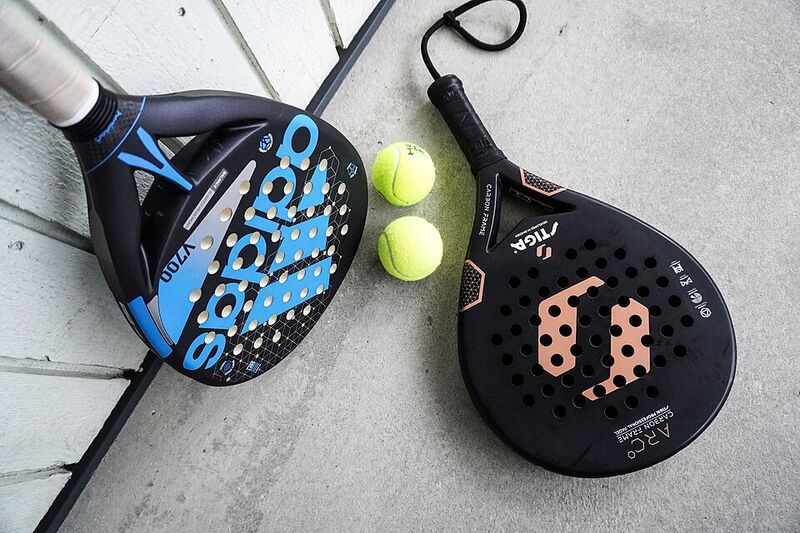
Racket Construction
- Nucleo (Core): The internal foam material of the racket
- Fibra (Fiber): The external materials (carbon, glass fiber, etc.)
- Goma (Rubber/Foam): The soft internal core material
- Eva: Type of foam used in racket cores
- Carbono (Carbon): Carbon fiber used in high-end rackets
Racket Characteristics
- Peso (Weight): Racket weight, typically 350-370 grams
- Balance: Weight distribution (head-heavy, head-light, even)
- Forma (Shape): Round, teardrop, or diamond shape
- Punto Dulce (Sweet Spot): The optimal hitting area on the racket face
- Potencia (Power): How much power the racket generates
- Control: How much control the racket provides
Playing Surface Terms
- Superficie (Surface): The court playing surface
- Cesped Artificial (Artificial Grass): Synthetic turf surface
- Cristal Templado (Tempered Glass): The safety glass used in walls
- Malla Metalica (Metal Mesh): The wire mesh used in upper wall sections
Equipment evolution: Padel technology continues advancing. Terms like "3K carbon" or "12K carbon" refer to the weave density of carbon fiber materials.
Scoring and Match Terms
Score Terminology
- Quince (15): First point won in a game
- Treinta (30): Second point won in a game
- Cuarenta (40): Third point won in a game
- Iguales (Deuce): When the score is tied 40-40
- Ventaja (Advantage): One point ahead after deuce
- Juego (Game): Winning four points (or two after deuce)
Match Structure
- Set: First to six games, must win by two
- Partido (Match): Usually best of three sets
- Tie-break: Special game played at 6-6 in a set
- Super Tie-break: Deciding set played to 10 points instead of normal set
Service Terms
- Saque (Serve): The shot that starts each point
- Primer Servicio (First Serve): The first serve attempt
- Segundo Servicio (Second Serve): The second serve attempt
- Falta (Fault): An illegal serve
- Let: A serve that hits the net but lands in the correct service box
Spanish Origins and Pronunciation
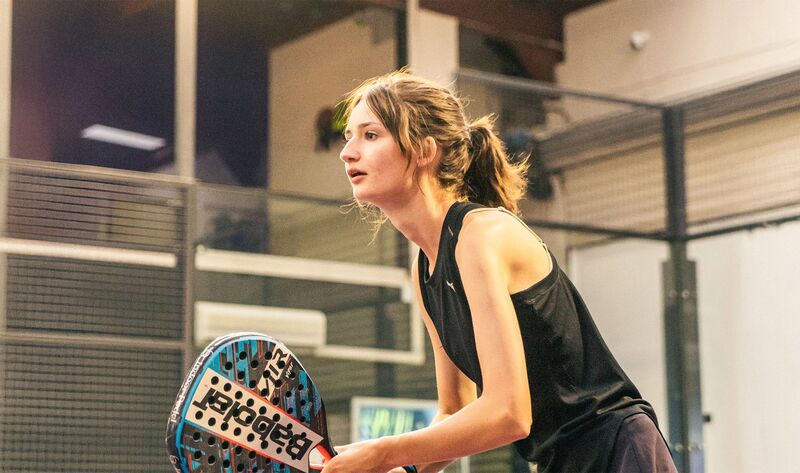
Why Spanish Terms?
Padel originated in Mexico and developed primarily in Spanish-speaking countries. While the sport has spread globally, many original Spanish terms remain standard worldwide, creating a universal padel language.
Common Pronunciation Guide
- Bandeja: ban-DEH-ha (tray shot)
- Vibora: VEE-boh-ra (viper shot)
- Chiquita: chee-KEE-ta (little one)
- Bajada: bah-HAH-da (descent shot)
- Globo: GLOH-bo (balloon/lob)
- Remate: reh-MAH-teh (smash)
Regional Variations
While Spanish terms dominate, some regions have developed their own vocabulary:
- Argentina: Uses "globito" for a small lob
- Spain: Sometimes uses "contrapared" for wall shots
- International: English terms like "smash" and "lob" are widely accepted
- New Zealand: Mix of Spanish and English terms in club play
Learning the Language
- Start with shot names: Learn bandeja, vibora, and chiquita first
- Practice pronunciation: Don't be afraid to try Spanish terms
- Context clues: Meaning often becomes clear from game situations
- Ask others: Experienced players are usually happy to explain terms
Cultural connection: Using proper padel terminology connects you to the sport's rich heritage and helps when watching professional matches, reading instruction materials, or playing internationally.
Strategy guide | Official rules | Find coaching
Last reviewed: March 2026