Doubles Strategy Fundamentals
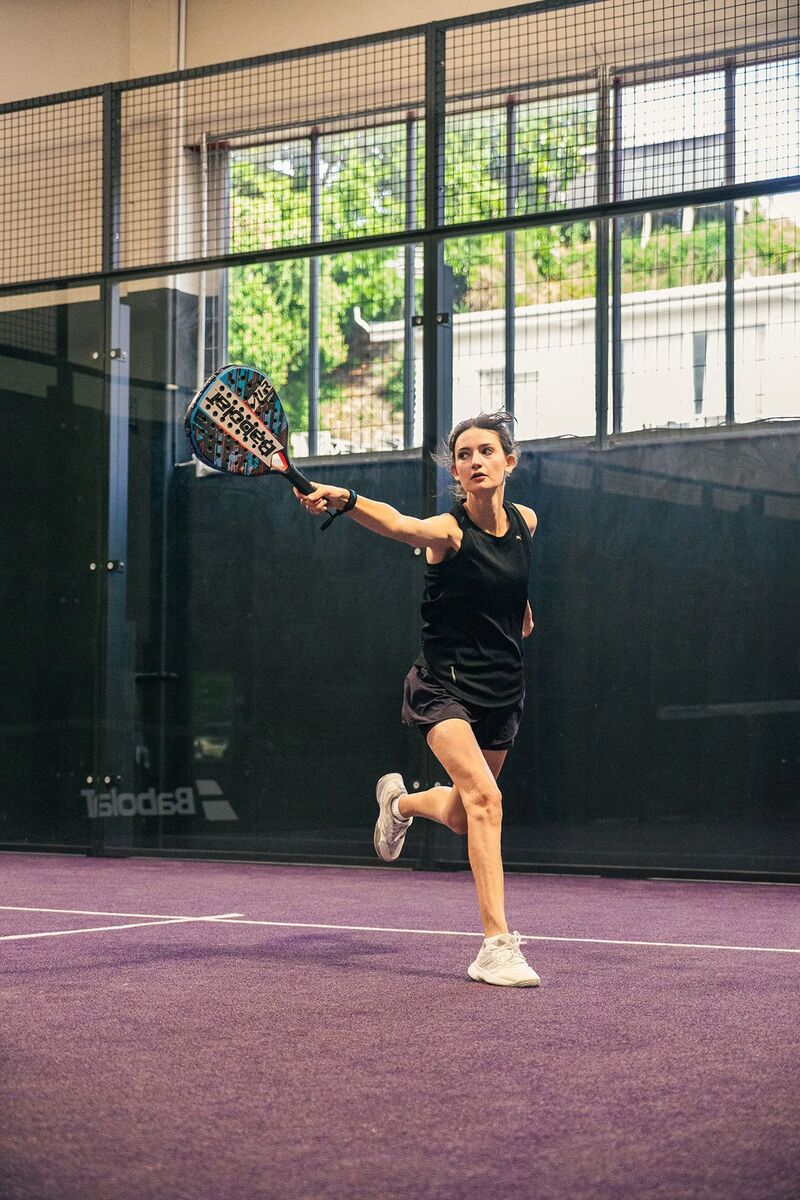
Padel is always played in doubles, making partnership dynamics crucial to success. Unlike tennis doubles where players can sometimes dominate individually, padel requires genuine teamwork and coordination.
The compact court size means partners are constantly interacting, covering for each other, and setting up opportunities together. Good communication and positioning matter more than individual shot-making ability.
Key Principles
- Move as a unit: When one partner moves forward, the other should too
- Maintain balance: Always have one player covering deep and one covering short
- Communicate constantly: Call shots, positions, and intentions clearly
- Support your partner: Cover their weaknesses and maximize their strengths
Court Positioning
Basic Formation: Side by Side
The standard padel formation has both players roughly level with each other, dividing the court down the middle.
- Left side player: Covers left half, usually handles backhand-side shots
- Right side player: Covers right half, typically the stronger forehand player
- Middle coverage: Communicate who takes shots down the center
Optimal Court Positions
- Both at baseline: When defending or returning serve
- Both at net: When in attacking position, controlling the point
- One up, one back: Transitional position, usually temporary
- Staggered formation: Advanced tactic for specific situations
Movement Principles
Partners should move together like they're connected by an invisible rope:
- When ball goes to one side, both players shift slightly toward that side
- When one player goes forward, partner follows to maintain formation
- When one player goes back, partner retreats to avoid being isolated
- Always maintain roughly equal distance from the net
Communication on Court
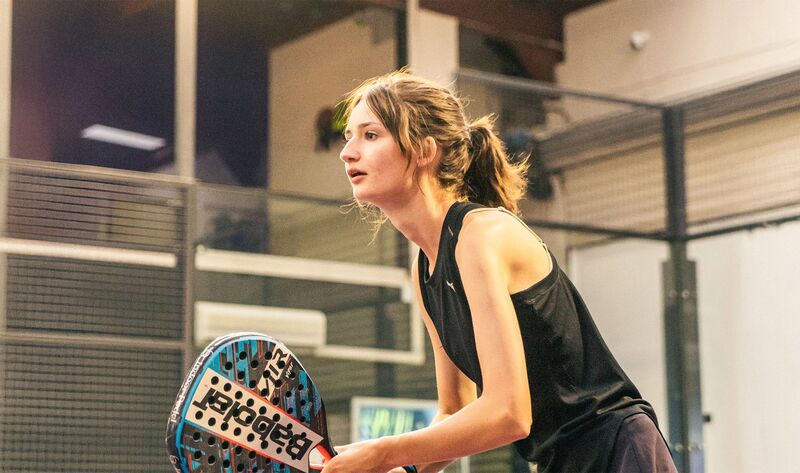
Essential Calls
- "Mine!" or "Got it!": Claiming a shot clearly
- "Yours!" or "Take it!": Giving the shot to your partner
- "Switch!" or "Change!": When changing sides
- "Back!" or "Deep!": Warning partner about deep shots
- "Net!" or "Short!": Alerting to drop shots or short balls
Non-Verbal Communication
Much of padel communication happens through positioning and body language:
- Early positioning: Move to show your intention before the ball arrives
- Racket preparation: Prepare early to show you're taking the shot
- Eye contact: Quick glances to confirm positioning and shot selection
- Pointing: Indicate where you plan to hit the ball
Between-Point Communication
Use breaks between points strategically:
- Discuss shot patterns you're seeing from opponents
- Agree on who covers specific areas or shots
- Plan tactics for upcoming service games
- Give positive reinforcement and encouragement
Tactical Formations
Traditional Side-by-Side
The standard formation for most situations:
- When to use: General play, serving, receiving serve
- Advantages: Balanced coverage, clear responsibilities
- Coverage: Each player has roughly half the court
- Movement: Move as a unit, maintaining parallel positions
Australian Formation
Both players start on the same side of the court:
- When to use: Breaking up opponent's rhythm, surprising them
- Execution: Both players cover one side initially, then adjust
- Purpose: Force opponents to adjust their targets and timing
- Risk: Leaves one side temporarily exposed
One Up, One Back
One player at net, one at baseline:
- When to use: Transitioning between defensive and offensive positions
- Net player role: Cut off passing shots and volleys
- Baseline player role: Handle deep shots and lobs
- Duration: Usually temporary while both players move forward together
Defensive Formation
Both players deep, absorbing pressure:
- When to use: Under heavy attack, opponent dominating net
- Purpose: Neutralize the point, wait for opportunities
- Strategy: Use lobs and passing shots to regain court position
- Patience: Don't rush forward until you have control
Advanced Tactical Concepts
Court Positioning Strategy
- Control the net: The team at the net usually wins the point
- Move forward together: Advance as a unit when opportunities arise
- Create pressure: Use net position to force errors from opponents
- Patient advancement: Don't rush to the net on poor approach shots
Target Selection as a Team
Choose targets based on your partnership's positioning and strengths:
- Attack the middle: Create confusion about who should take the shot
- Exploit weaknesses: Target the weaker player's backhand or movement
- Use angles: Cross-court shots that pull opponents out of position
- Depth variation: Mix up short and deep shots to keep opponents guessing
Transitional Play
How to move between defensive and offensive positions effectively:
- Recognize opportunities: Know when opponents give you openings
- Move together: Don't leave your partner isolated during transitions
- Shot selection: Use appropriate shots to facilitate position changes
- Timing: Move at the right moment, not too early or late
Partnership Dynamics
Complementary Playing Styles
The best partnerships combine different but compatible strengths:
- Aggressive + Steady: One attacks, one maintains consistency
- Power + Finesse: One hits hard, one places shots precisely
- Net player + Baseline: Natural roles based on movement preferences
- Left-handed + Right-handed: Natural coverage advantages
Role Definition
Successful partnerships often develop defined roles:
- Leader/Follower: One partner makes tactical decisions, other executes
- Primary/Support: One takes more shots, other sets up opportunities
- Returner/Net rusher: Defined roles on serve and return games
- Calm/Energizer: One keeps emotions steady, other brings intensity
Building Partnership Chemistry
- Practice together regularly: Develop understanding through repetition
- Discuss preferences: Know each other's favorite and least favorite shots
- Learn patterns: Understand how your partner plays under pressure
- Support each other: Stay positive, especially after errors
Match Strategy Planning
Prepare for matches as a team:
- Scout opponents: Identify their patterns and weaknesses together
- Plan formations: Decide on serving and returning formations
- Set priorities: Agree on main tactical goals for the match
- Practice specific situations: Rehearse scenarios you expect to face
General strategy guide | Wall play techniques | Find coaching
Last reviewed: March 2026