Wall Play Fundamentals
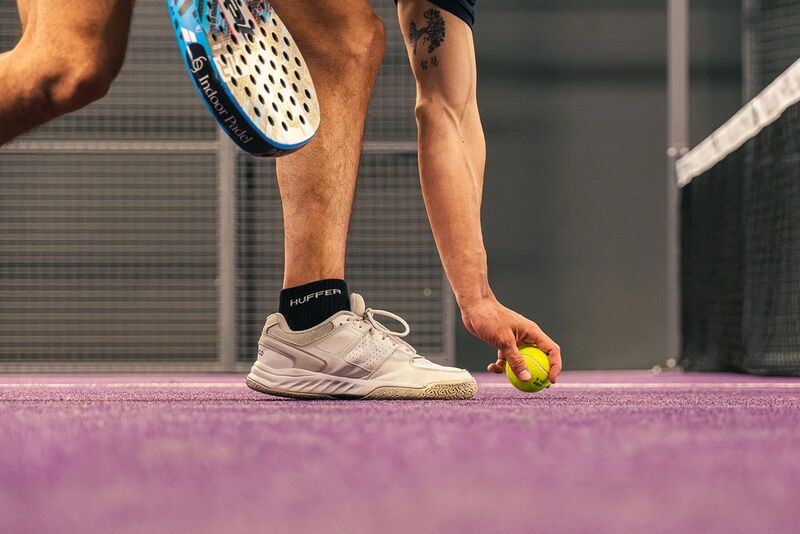
Wall play is what makes padel unique. The walls aren't just boundaries - they're part of the game. Learning to use them effectively transforms your padel from basic tennis-style hitting to true padel strategy.
The fundamental rule: the ball must bounce on the ground on your side BEFORE hitting any wall. After that bounce, you can play the ball off as many walls as needed.
Types of Walls
- Back wall: 3 metres of glass, most commonly used for defensive shots
- Side walls: Glass sections near the back, mesh towards the front
- Corner areas: Where back and side walls meet, creating unique angles
Back Wall Technique
Reading the Ball Path
The key to back wall play is predicting where the ball will be after it hits the wall. This takes practice, but follow these principles:
- Fast balls come off the wall fast and high
- Slow balls drop more and come off shorter
- Balls with topspin climb the wall higher
- Balls with backspin stay lower and come off shorter
Positioning and Timing
Don't chase the ball to the wall. Instead, let it come to you:
- Track the ball: Watch it from opponent's racket to your back wall
- Position yourself: Stand roughly 2 metres from the back wall
- Wait for the rebound: Let the ball come off the wall to you
- Hit at shoulder height: This gives you the most options
Shot Options from Back Wall
- Cross court lob: Safe option to get back into the point
- Down the line: More aggressive, but higher risk
- Short cross court: Advanced option to wrong-foot opponents
- Passing shot: Direct to opponent's feet when they're at the net
Side Wall Usage
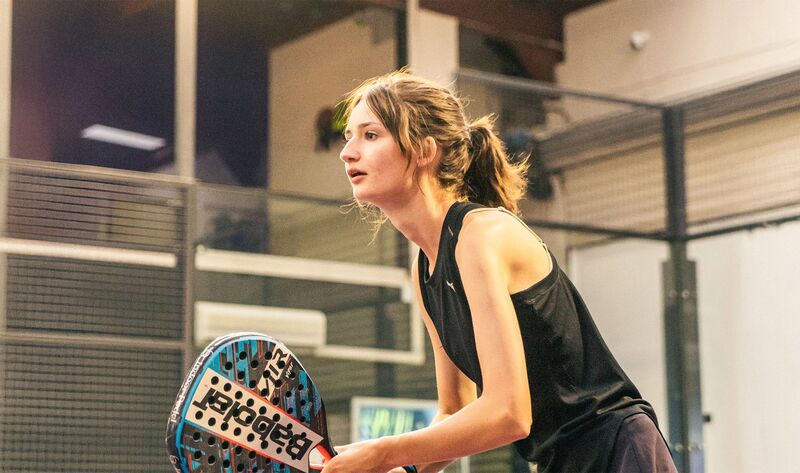
Glass vs Mesh Sections
Side walls have two distinct areas with different playing characteristics:
- Glass section (back 4 metres): Reliable, predictable bounces
- Mesh section (front 6 metres): Deader bounce, ball loses more pace
Using Side Walls Offensively
Advanced players use side walls to create angles and wrong-foot opponents:
- Sharp cross court shots: Hit the side wall to change the ball's direction
- Angled volleys: Use the wall to create shots opponents can't reach
- Approach shots: Hit to the side wall then follow to the net
Defensive Side Wall Play
When under pressure, side walls can save points:
- Let wide balls hit the side wall and play them back cross court
- Use the wall to buy time when you're out of position
- Play balls that hit the side wall with softer shots to maintain control
Reading and Timing Wall Shots
Pre-Impact Reading
Start reading the shot as soon as it leaves your opponent's racket:
- Speed: How fast is the ball traveling?
- Height: How high will it hit the wall?
- Spin: Is there topspin, backspin, or sidespin?
- Angle: What angle will it take off the wall?
Movement Patterns
Your movement should be efficient and purposeful:
- Initial read: Determine if it's going to the back wall or side wall
- Get into position: Move to where you think the ball will rebound
- Adjust: Fine-tune position as the ball approaches the wall
- Execute: Hit the ball at the optimal contact point
Practice Exercises
- Solo wall feeding: Hit balls to the wall and practice returning them
- Partner feeding: Have partner hit various shots while you practice wall returns
- Pressure drills: Practice wall shots while under time pressure
- Pattern recognition: Learn to recognize shot patterns and typical wall bounces
Strategic Wall Play
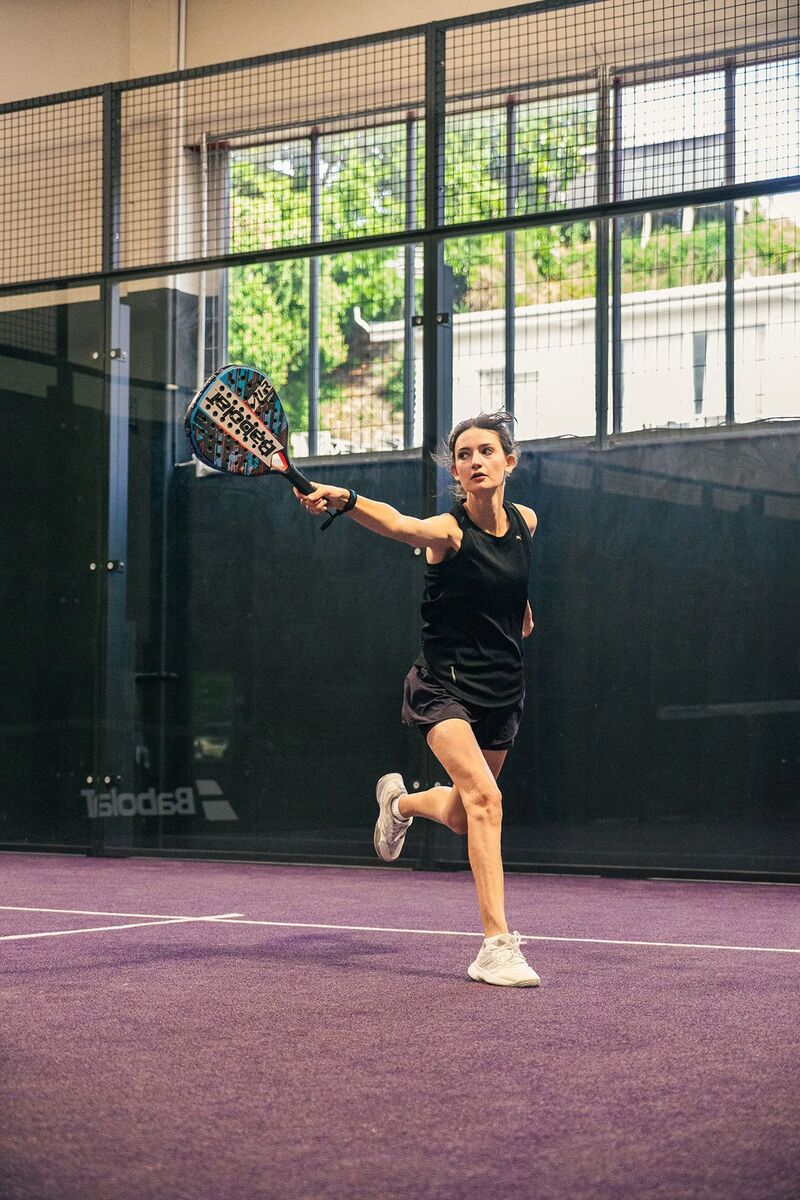
When to Use Walls Defensively
- When you're under pressure and need time to recover
- When opponents are at the net and aggressive
- When you're out of position and need to neutralize the point
- When you want to change the pace of the rally
When to Use Walls Offensively
- When you have time and good positioning
- When opponents are expecting a direct shot
- When you want to create new angles
- When setting up approach shots to the net
Partner Communication
Effective wall play requires coordination with your partner:
- Call early: Let your partner know if you're taking the wall shot
- Positioning: Partner should position for your expected return direction
- Coverage: Determine who covers short balls vs deep wall returns
- Switching: Know when to switch sides based on wall play opportunities
Mental Approach
The right mindset is crucial for effective wall play:
- Patience: Don't rush wall shots, take the time needed
- Confidence: Trust your read and commit to your movement
- Adaptability: Adjust your expectations based on court conditions
- Learning mindset: Each wall shot teaches you something about ball physics
Common Wall Play Mistakes
Positioning Errors
- Standing too close to the wall: Doesn't allow time to react properly
- Standing too far from the wall: Can't reach balls that don't come off far
- Poor angle reading: Positioning for straight rebounds when ball has spin
- Not adjusting for ball speed: Same position for fast and slow balls
Timing Mistakes
- Rushing the shot: Trying to hit before proper positioning
- Waiting too long: Letting the ball get too low or behind you
- Wrong contact point: Hitting too early or too late in the rebound
- Poor preparation: Not getting racket ready during the ball's flight
Technical Errors
- Overhitting: Trying to hit winners from defensive positions
- Wrong shot selection: Going for low-percentage shots off the wall
- Poor footwork: Not setting feet properly for wall shots
- Inconsistent follow-through: Different swings for similar wall rebounds
Overall strategy guide | Doubles positioning | Lobbing technique
Last reviewed: March 2026