Home›Lob Guide
Lob Fundamentals
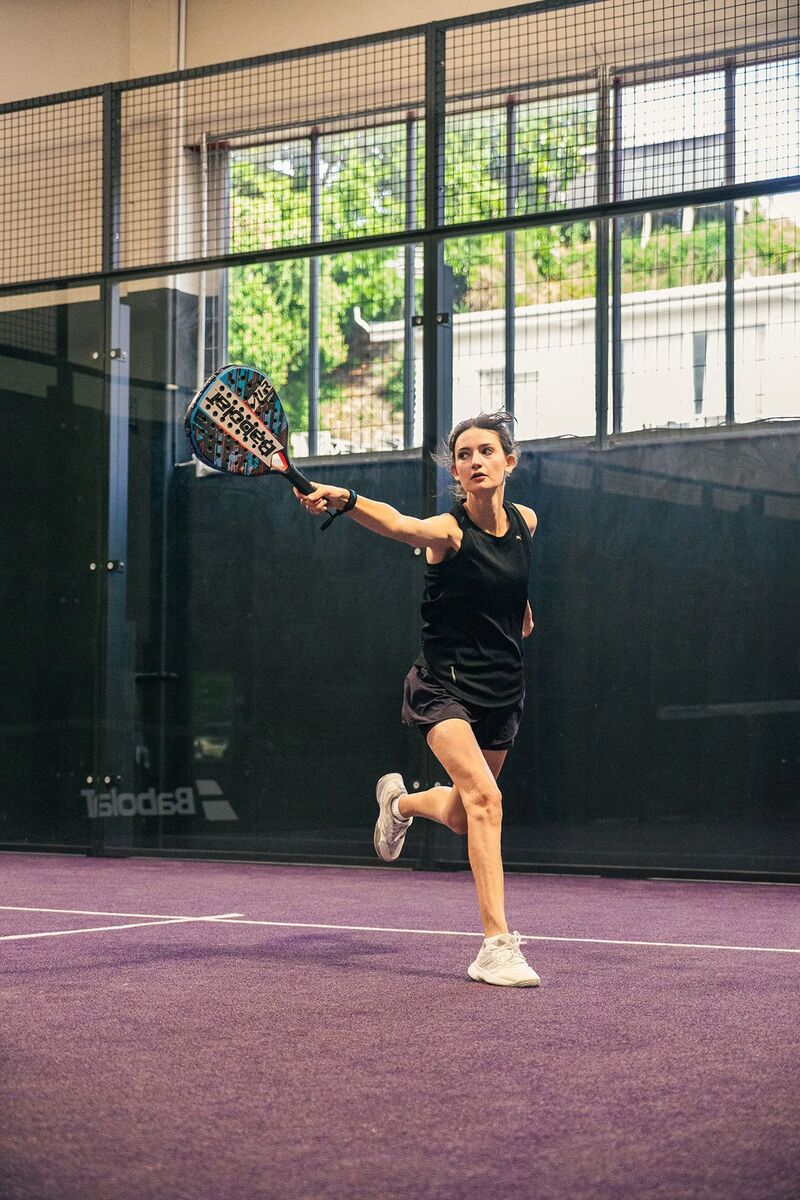
The lob is one of the most important shots in padel, serving both defensive and offensive purposes. Unlike tennis, where lobs are often seen as defensive only, padel lobs can be aggressive tactical weapons.
A good lob forces opponents away from the net, giving you time to recover or advance your own position. The enclosed court means a well-placed lob can't be hit for an outright winner like in tennis, making it a percentage shot.
Types of Lobs
- Defensive lob: High, safe shot to escape pressure
- Offensive lob: Lower, faster lob to create attacking opportunities
- Globo: Very high defensive lob (Spanish term)
- Working lob: Medium height lob to move opponents around
Why Lobs Work in Padel
- Court size: Compact court makes it harder to cover overhead shots
- Wall factor: Lobs can't go "out" like in tennis
- Net positioning: Forces net players to retreat and reposition
- Time creation: Gives you time to recover or advance position
Mindset shift: Don't think of lobs as "weak" or "defensive" shots. In padel, a well-timed lob is often the smartest tactical choice and can be match-winning.
Defensive Lobs
When to Use Defensive Lobs
- Under pressure at the net: Opponents dominating with volleys and smashes
- Out of position: Caught wide or deep, need time to recover
- Difficult ball height: Ball too low for comfortable attacking shot
- Energy management: Slowing down the pace when fatigued
- Breaking opponent rhythm: Disrupting aggressive net play patterns
Defensive Lob Technique
The priority is getting the ball safely over your opponents with good height and depth:
- Contact point: Hit the ball early, ideally at waist height
- Racket face: Slightly open to create lift and backspin
- Swing path: Low to high motion, brushing under the ball
- Target height: Aim 3-4 metres above opponents' reach
- Depth target: Deep into opponent's court, near back wall
Safety First Approach
- Height over power: Better too high than too low
- Cross court preferred: Longer distance, more margin for error
- Backspin helps: Slice creates safer flight path and bounce
- Early preparation: Recognize the need to lob as early as possible
Common error: Trying to hit defensive lobs too precisely. When under pressure, aim for safety and height first, placement second.
Offensive Lobs
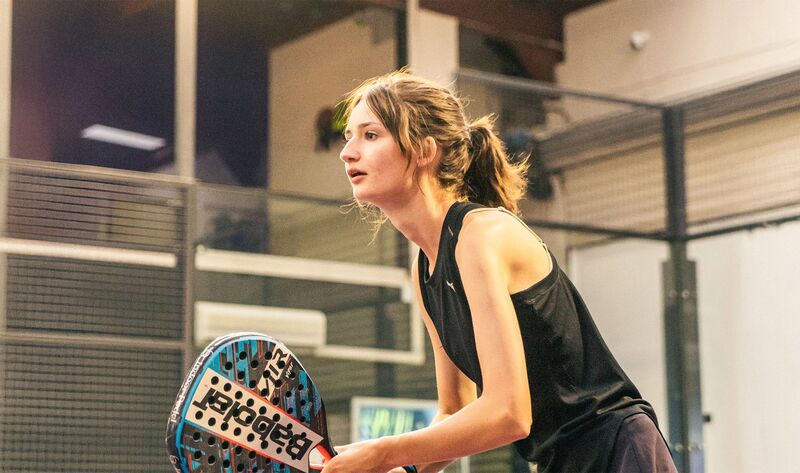
When to Attack with Lobs
- Opponents too close to net: They can't retreat quickly enough
- Partner setup: Your partner is ready to follow your lob to the net
- Opponent weakness: One player struggles with overhead shots
- Court positioning: You have good position and time to execute
- Pattern breaking: Surprising opponents who expect direct shots
Offensive Lob Characteristics
- Lower trajectory: Just clears opponents' reach, doesn't give them time
- More pace: Faster ball speed puts pressure on opponents
- Tactical placement: Target specific weaknesses or court areas
- Follow up ready: Prepare to advance position after the lob
Execution Technique
- Disguise: Same preparation as your regular groundstroke
- Quick execution: Don't telegraph the lob with long preparation
- Target height: 1-2 metres above opponents' maximum reach
- Spin variation: Topspin lobs drop faster and bounce higher
- Direction choice: Target the weaker overhead player
Following Up Offensive Lobs
- Advance together: Both players move forward after a good offensive lob
- Prepare for return: Expect opponents to return from back wall
- Net positioning: Take advantage of opponents being pushed back
- Next shot planning: Have your follow-up shot strategy ready
Lob Technique Fundamentals
Grip and Setup
- Continental grip: Standard padel grip works well for most lobs
- Slight adjustment: Minor grip modification toward eastern for more topspin
- Early recognition: Decide to lob as early as possible
- Body positioning: Side-on stance for better leverage and power
Swing Mechanics
- Backswing: Lower than normal groundstroke preparation
- Contact point: At or slightly behind your front hip
- Swing path: Low to high motion, brushing up and through
- Follow through: High finish toward your target area
- Weight transfer: Shift from back foot to front foot through contact
Spin and Ball Flight
- Backspin lob: More margin for error, safer flight path
- Topspin lob: Drops faster, bounces higher off back wall
- Flat lob: Faster but requires precise height control
- Sidespin lob: Advanced technique for angled placement
Common Technical Mistakes
- Too much wrist: Trying to flick the ball high instead of using whole arm
- Late contact: Hitting the ball behind the body reduces power and control
- Insufficient height: Not giving the ball enough clearance over opponents
- Poor timing: Rushing the shot instead of taking time to execute properly
Practice tip: Start with simple defensive lobs until your technique is consistent, then add pace and precision for offensive lobs.
Tactical Lob Placement
Target Areas
- Deep cross court: Longest distance, safest option
- Down the line: Shorter distance but can catch opponents off guard
- Behind moving player: Target the space a player just vacated
- Weaker overhead side: Attack the player who struggles with smashes
Reading Opponent Positioning
- Too close to net: Perfect time for any lob
- One up, one back: Lob over the net player
- Moving laterally: Lob behind their movement
- Both deep: Use offensive lob to maintain pressure
Court Geometry
Understanding court dimensions helps with lob placement:
- Cross court distance: Approximately 22 metres corner to corner
- Down the line: 20 metres baseline to baseline
- Service box depth: 6.95 metres from net
- Back court depth: 3.05 metres from service line to back wall
Environmental Factors
- Wind conditions: Outdoor courts require adjustment for wind
- Sun position: Use sun to your advantage when opponent faces it
- Court lighting: Indoor lighting can affect depth perception
- Surface speed: Faster surfaces require different lob placement
Lob Practice Drills
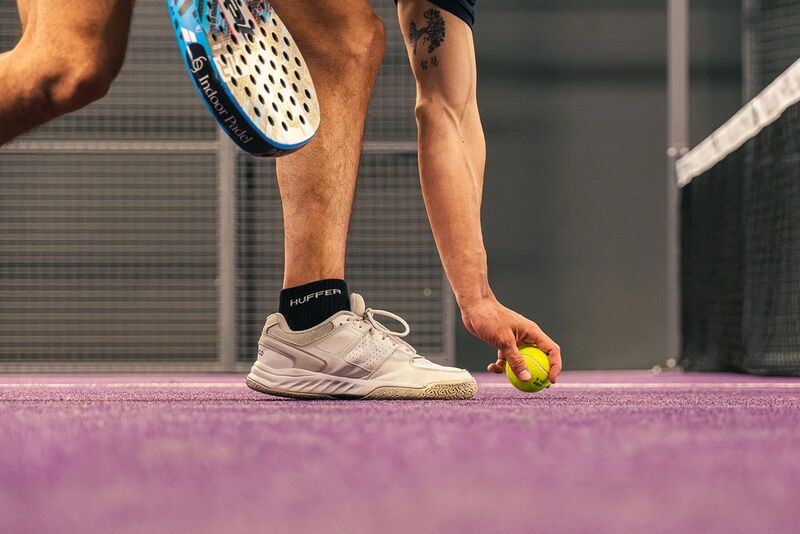
Basic Lob Development
- Stationary feeding: Partner feeds balls for height and placement practice
- Target practice: Aim for specific areas marked with cones or tape
- Height consistency: Practice consistent ball flight height
- Spin variation: Alternate between backspin and topspin lobs
Pressure Situation Drills
- Net rush defense: Partner approaches net, you practice defensive lobs
- 2-on-1 escapes: Two players attack net, you lob to escape
- Quick decision: Random ball feeds requiring instant lob decisions
- Rally pressure: Lob under time pressure during fast exchanges
Offensive Lob Practice
- Setup patterns: Practice common rally patterns leading to lob opportunities
- Disguise training: Make lobs look like regular shots until contact
- Follow-up drills: Lob then advance to net for next shot
- Partner coordination: Practice moving forward together after offensive lobs
Match Situation Practice
- Points with lob requirement: Play points where you must lob at least once
- Lob only rallies: Rally using only lobs to develop touch and placement
- Tactical scenarios: Practice specific game situations requiring lobs
- Pressure points: Practice lobs under match pressure (break points, etc.)
Progressive training: Start with simple height consistency, add placement accuracy, then speed and pressure. Master each level before advancing to the next.
Strategy guide | Smash technique | Doubles tactics
Last reviewed: March 2026