Home›Smash Guide
Padel Smash Fundamentals
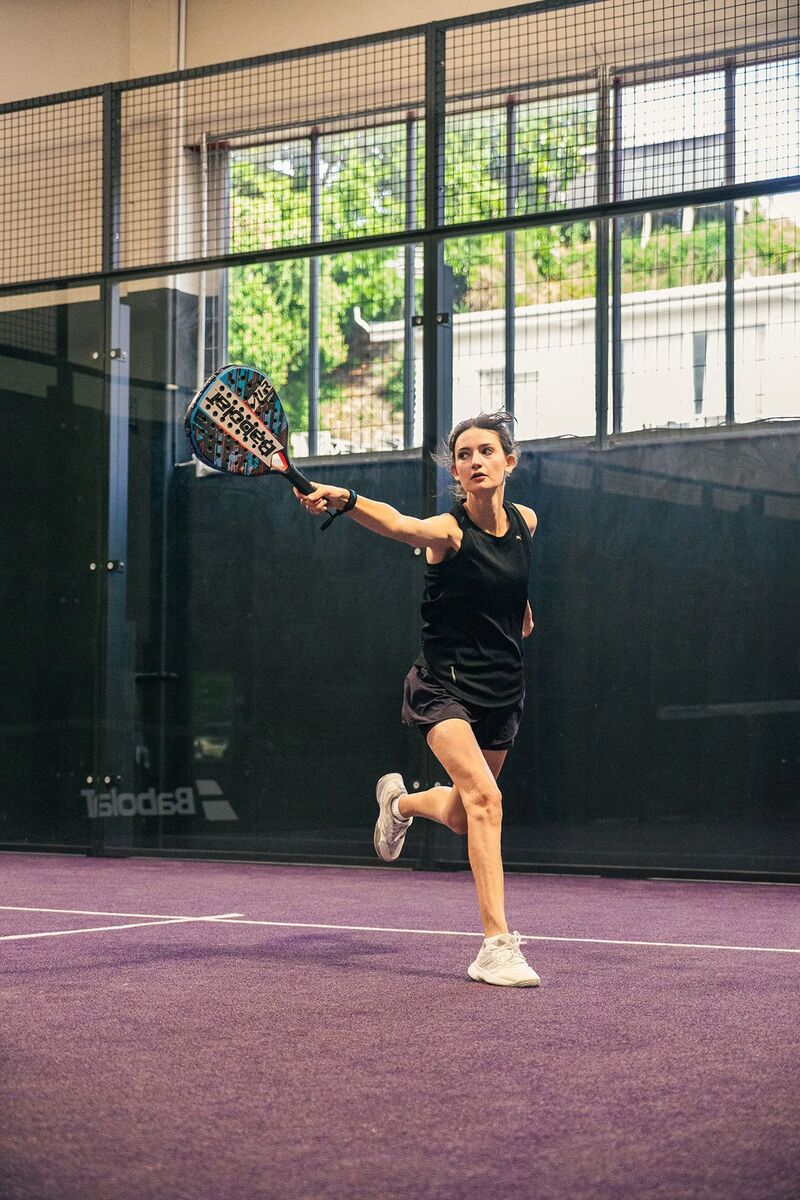
The smash in padel is both similar to and different from tennis. While the basic overhead motion is the same, padel smashes require different tactics because the ball can't go "out" for winners as easily.
In padel, smashes are often about maintaining pressure and positioning rather than hitting immediate winners. The enclosed court means even powerful smashes usually continue the rally rather than end it.
Key Differences from Tennis
- Court size: Less space to hit winners, more about placement
- Wall factor: Balls don't go out, so power alone isn't enough
- Partner position: Must consider doubles partner's positioning
- Follow-up required: Often need to be ready for next shot immediately
When to Use Smashes
- Short lobs: Ball sits up nicely in your hitting zone
- Weak defensive shots: Opponent gives you easy overhead opportunities
- Maintaining pressure: Keep opponents under pressure at baseline
- Court positioning advantage: You're well positioned at the net
Mindset adjustment: Don't expect every smash to be a winner. Focus on maintaining net position and keeping pressure on opponents.
Basic Smash Technique
Preparation and Setup
- Early recognition: Identify the lob trajectory immediately
- Quick movement: Get to the optimal hitting position rapidly
- Body positioning: Side-on stance with non-hitting shoulder toward net
- Racket preparation: Early back-scratch position behind the head
Contact Point and Timing
- Contact height: Hit at maximum reach with extended arm
- Contact point: Slightly in front of your body, not directly overhead
- Timing: Hit the ball at the peak of its arc when possible
- Balance: Maintain balance throughout the swing
Swing Mechanics
- Service motion similarity: Similar to overhead serve motion
- Explosive upward motion: Drive up from legs through core to arm
- Snap through contact: Accelerate racket head through the ball
- Follow through: Continue motion toward target area
Power Generation
- Leg drive: Power starts from the ground up
- Core rotation: Trunk rotation adds significant power
- Arm extension: Full arm extension at contact
- Wrist snap: Final acceleration through wrist action
Safety note: Don't sacrifice balance for power. A controlled, well-placed smash is more effective than an off-balance power attempt.
Types of Padel Smashes
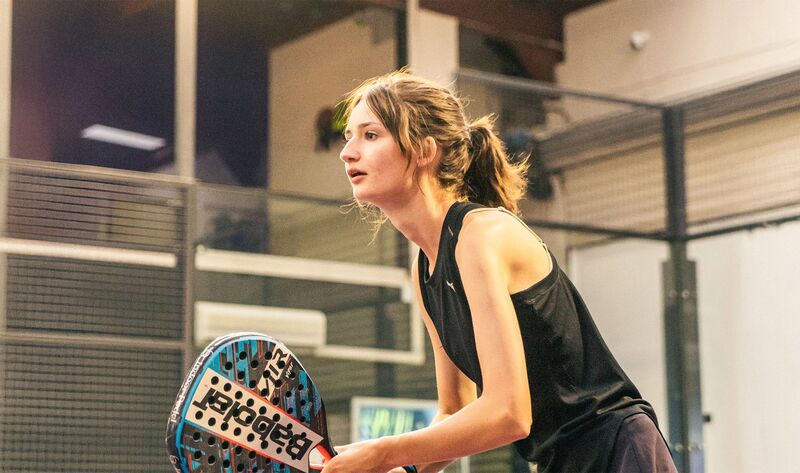
Power Smash (Remate)
- When to use: Ball sits up perfectly, opponent out of position
- Technique: Full power overhead motion
- Target: Deep into opponent's court or angles
- Follow-up: Prepare for potential return off back wall
Placement Smash
- When to use: Maintaining pressure while maintaining net position
- Technique: Controlled overhead with precise placement
- Target: Specific areas to maintain tactical advantage
- Power: 60-80% power, focusing on accuracy
Angled Smash
- When to use: Create sharp angles to move opponents
- Technique: Slightly modified contact point for angle
- Target: Wide angles or short court areas
- Risk/reward: Higher risk but can create winning opportunities
Defensive Smash
- When to use: Poor position but still need to hit overhead
- Technique: Abbreviated motion, focus on depth and safety
- Target: Deep and safe, usually cross court
- Goal: Neutralize the point rather than win it immediately
Body Positioning and Movement
Reading the Lob Early
- Watch opponent's racket: Direction and angle of hit
- Ball trajectory: Speed, height, and spin of the lob
- Early movement: Start moving as soon as you recognize the lob
- Positioning priority: Get to the right spot first, then worry about timing
Footwork Patterns
- Crossover steps: Quick lateral movement to get under the ball
- Backward movement: Shuffling or running backward while tracking
- Jump timing: Small hop before contact to add power and timing
- Landing balance: Land balanced and ready for next shot
Optimal Contact Position
- Lateral position: Slightly to the side of where ball will land
- Distance from net: Usually 2-4 metres back from net
- Ball in front: Contact point slightly in front of body
- Comfortable reach: Don't overstretch or crowd the ball
Partner Coordination
- Communication: Call for the ball early and clearly
- Partner position: Partner should cover court areas you can't reach
- Switch preparation: Be ready to switch positions if needed
- Follow-up coverage: Partner prepares for possible returns
Smart Shot Selection
Assessing the Situation
Before smashing, quickly evaluate:
- Ball quality: Is it a good lob or poor one?
- Your position: Are you in optimal hitting position?
- Opponent position: Where are they and where are they moving?
- Court geometry: What angles and targets are available?
- Match situation: Score, fatigue level, pressure situations
Target Selection
- Deep baseline: Safe option to maintain pressure
- Body shots: At opponents' feet or body to limit their options
- Open court: Areas opponents can't cover
- Weak side: Target opponent's weaker side (usually backhand)
- Back wall setup: Deep shots that come off back wall for follow-up
Power vs Placement
- High-percentage smashes: Focus on placement over power when under pressure
- Power when appropriate: Use full power when positioned well and opponent out of position
- Consistent pressure: Multiple good smashes often better than one risky power attempt
- Energy management: Save power for key moments, use placement to maintain pressure
Strategic thinking: The best smashers in padel rarely go for outright winners. They use smashes to maintain net position and gradually build winning opportunities.
Alternative Overhead Shots
Bandeja (Slice Overhead)
- When to use: Ball at moderate height, need control over power
- Technique: Overhead motion with slice/backspin
- Effect: Ball stays low after bounce, difficult to attack
- Tactical purpose: Maintain pressure while staying in control
Vibora (Spin Overhead)
- When to use: Aggressive option when well-positioned
- Technique: Overhead with heavy topspin and sidespin
- Effect: Bounces high off back wall, difficult angle
- Risk level: Higher risk but can create winning opportunities
Defensive Overhead Block
- When to use: Poor position, ball behind you or very high
- Technique: Abbreviated overhead motion, just get ball back
- Goal: Reset the point, don't try to win it
- Safety first: Get the ball over the net and deep
Let It Bounce Strategy
Sometimes the best choice is not to hit an overhead at all:
- Very high lobs: Let them bounce and play as groundstrokes
- Poor position: If you can't get set properly, let it bounce
- Partner position: If partner is better positioned, let them take it
- Tactical decision: Sometimes patient play is better than risky overheads
Choosing the Right Shot
- Perfect setup: Power smash or vibora
- Good position: Bandeja or placement smash
- Moderate position: Defensive smash or bandeja
- Poor position: Let it bounce or defensive block
- Very poor position: Let partner take it or let it bounce
Shot variety: Having multiple overhead options makes you unpredictable and allows you to choose the right shot for each situation. Master the basics first, then add variety.
Lob technique | Strategy guide | Padel terms
Last reviewed: March 2026