Serve Basics
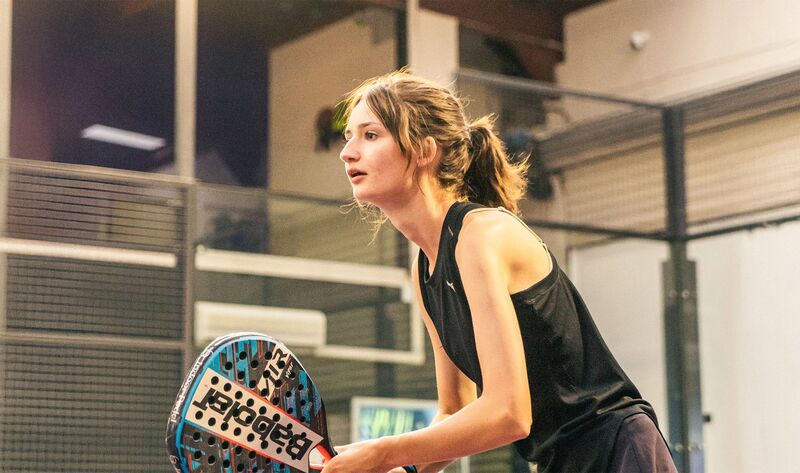
The serve in padel must always be hit underhand. No exceptions. This makes serving much easier to learn than tennis, but there are still important rules and techniques to master.
Unlike tennis where you can hit overhead serves with massive power, padel serving is about placement, consistency, and setting up the point. The best padel players rarely try to win points directly from the serve.
Proper Serve Technique
Step-by-Step Process
- Position: Stand behind the service line, feet shoulder-width apart
- Ball drop: Hold the ball at shoulder height, drop it straight down
- Contact point: Hit the ball at or below waist height as it bounces up
- Swing path: Use a pendulum motion, hitting through the ball
- Follow through: Continue the motion towards your target
Body Mechanics
Keep your serving motion simple and consistent. Many beginners overthink the serve and create unnecessary complexity.
- Stance: Side-on to the net, weight on back foot initially
- Grip: Use your normal continental grip, don't change for serving
- Drop height: Let the ball drop from about shoulder height for consistent bounce
- Contact: Hit the ball with a firm wrist, don't try to generate extra power
Official Serve Rules
Before the Serve
- Server must be completely behind the service line (both feet)
- Ball must be served diagonally to the opposite service box
- Server alternates service boxes after each point
- At the start of each game, choose which side to serve from first
During the Serve
- Ball must bounce on the ground before being struck
- Contact must be at or below waist height
- Ball must be hit with the racket face (not edge or handle)
- Server's feet cannot touch or cross the service line until after ball contact
Valid Serve Requirements
For a serve to be legal, it must:
- Land in the correct diagonal service box
- Bounce in the box before hitting any walls
- If it hits a wall after bouncing, it must hit the back wall or side glass (not mesh)
- Cross the net without touching it (unless it's a let)
Common Serving Faults
Foot Faults
The most common beginner error. Your feet must be completely behind the service line when you make contact with the ball.
- Stepping on the line counts as a fault
- Both feet must be behind the line at contact
- You can step into the court after hitting the ball
Contact Height Faults
The ball must be struck at or below waist height. Referees and opponents will watch for this carefully.
- Waist height is defined as the lowest part of your ribs
- Hitting above this level results in a fault
- Don't let the ball bounce too high before hitting it
Service Box Faults
- Short serve: Ball doesn't reach the service box
- Long serve: Ball goes past the service box baseline
- Wide serve: Ball lands outside the sideline of the service box
- Wrong box: Serving to the wrong diagonal service box
Wall Contact Faults
This is unique to padel and catches many beginners.
- If the ball hits mesh (not glass) after bouncing in the service box, it's a fault
- The ball can hit the back glass wall after bouncing - this is legal
- Side glass contact after bouncing is also legal
Serve Strategy
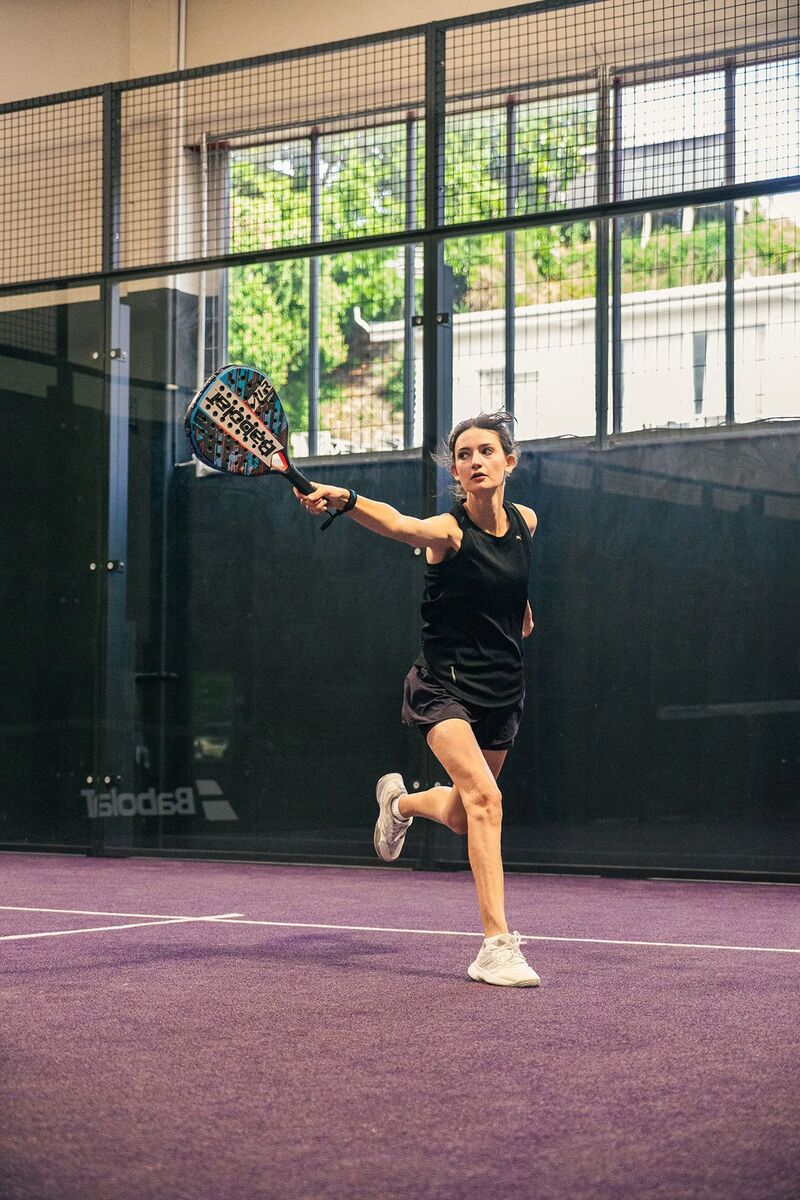
Placement Over Power
The best padel servers focus on consistent placement rather than speed. Here's why:
- Gives you time to get into good position for the third shot
- Reduces unforced errors that give away easy points
- Allows you to vary placement and keep opponents guessing
- Builds confidence and rhythm throughout the match
Target Areas
- Deep serves: Force the returner back, giving you net advantage
- Wide serves: Pull the returner out of position
- Body serves: Jam the returner and limit their return options
- Short serves: Occasionally mix in to keep opponents honest
Setting Up the Point
Think about what happens after your serve:
- Serve deep to give yourself time to move forward
- Serve to the returner's backhand side if they're weaker there
- Vary your serves to prevent opponents from anticipating
- Use your second serve to get into the point, don't just push it in
Practice Tips
Solo Practice
You can practice serving alone to build consistency and muscle memory.
- Target practice: Aim for specific areas of the service box
- Repetition: Practice the same serve 20 times in a row
- Routine development: Create a consistent pre-serve routine
- Wall bounce practice: Learn how different serves come off the back wall
Partner Drills
- Serve and return: Practice serving while partner works on returns
- Serve to targets: Place cones or markers in the service boxes
- Pressure serves: Practice second serves under pressure
- Match simulation: Practice serving at different scores and pressures
Building Consistency
Aim to get 7 out of 10 first serves in before worrying about placement. Once you have that consistency, start working on targeting specific areas.
Complete padel rules | Scoring system | Grip technique
Last reviewed: March 2026